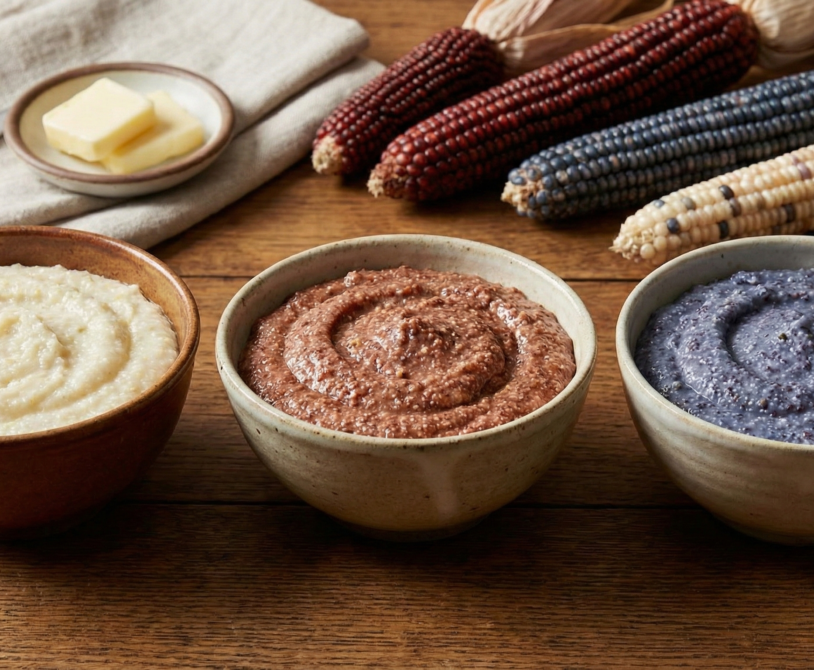

Over the past decade, grits have undergone a culinary renaissance. Once relegated to casual diner breakfasts, this humble maize dish is now a staple on the menus of Michelin-starred restaurants and premium dining chains alike. Paired with butter-poached lobster, braised short ribs, or truffles, grits provide a rich, deeply satisfying canvas for high-end gastronomy.
However, scaling a premium grits dish across a high-end restaurant chain or large-scale food service operation presents a unique set of challenges. Executive chefs and F&B directors know that commodity, quick-cooking grits cannot deliver the complex flavor and creamy texture expected by discerning guests. Yet, dealing with wildly inconsistent artisanal batches can disrupt kitchen operations and yield a different dining experience at every location. The solution lies in strategic B2B sourcing: tailoring grits maize specifications directly with a milling partner.
The Importance of the Grind in Commercial Kitchens
In a commercial kitchen setting, time and texture are everything. The physical grind of the grits maize dictates both the cooking time on the line and the final mouthfeel of the dish.
For high-end food service, understanding and controlling the grind size is paramount:
- Coarse (Stone-Ground Style): Retains the most flavor and texture, leaving the germ intact. It provides a rustic, toothsome bite ideal for pairing with heavy proteins. However, it requires a long cooking time (often up to an hour) and constant stirring, which must be factored into prep shifts.
- Medium: The sweet spot for many upscale chains. It balances a hearty texture with a more manageable cooking time (20-30 minutes). It holds well in steam tables without turning to mush.
- Fine: Cooks rapidly and yields a smooth, polenta-like consistency. Excellent for purees, folding into baked goods, or rapid à la minute preparation, but lacks the rustic appeal often desired in traditional Southern dishes.
When sourcing for a chain, specifying an exact micron-level tolerance for the grind ensures that a recipe requiring 25 minutes of simmering in the New York location takes exactly 25 minutes in the Chicago location.
Heirloom Varieties vs. Commodity Maize: Flavor Profiles
The most significant way to elevate a menu is by moving away from commodity yellow dent corn and embracing specific, flavorful maize varieties. Custom milling partnerships allow restaurants to specify exactly what type of corn goes into their grits.
| Maize Variety | Flavor Profile | Best Culinary Applications |
| White Corn | Clean, floral, delicate, subtle sweetness. | Seafood pairings (Shrimp & Grits), delicate cheese infusions. |
| Yellow Dent | Bold, grassy, robust, traditional buttery corn flavor. | Heavy meat pairings, smoked gouda or cheddar dishes. |
| Heirloom Red | Earthy, nutty, malted, highly aromatic. | Game meats, high-end tasting menus, bourbon glazes. |
| Heirloom Blue | Savory, mineral-rich, dense. | Southwestern-inspired menus, visually striking plating. |
By contracting with a miller for a specific heirloom variety, a restaurant chain creates a proprietary flavor profile that becomes a unique selling proposition, differentiating them from competitors relying on generic supply house ingredients.
Consistency Across Locations: The Chain Restaurant Challenge
For F&B directors managing dozens of locations, consistency is the ultimate metric of success. If a supplier ships grits with fluctuating moisture content, the liquid ratios in the chain’s standardized recipe will fail.
A premium B2B milling partner mitigates this risk through rigorous Quality Assurance (QA). When tailoring a program for food service, the miller should provide a Certificate of Analysis (COA) with every bulk shipment. This document guarantees that the starch content, moisture levels, and particle size perfectly match the master specification designed by the executive chef. This removes the guesswork for line cooks and ensures operational uniformity.
Storage, Shelf Life, and Sourcing Logistics
Premium, customized grits—especially those retaining the corn germ for flavor—contain natural oils that are susceptible to rancidity. High-end food service operations must balance the desire for fresh-milled flavor with the realities of distribution logistics.
When developing a B2B sourcing strategy, consider:
- Packaging: Vacuum-sealed or nitrogen-flushed bulk packaging can extend the shelf life of germ-intact grits without the use of preservatives.
- Just-in-Time Milling: Partnering with a manufacturer that mills to order rather than pulling from months-old warehouse stock ensures the product reaches the kitchen at peak flavor.
- Inventory Turn: Tailoring the bag size (e.g., 25lb vs 50lb bags) to match the exact weekly usage rate of individual restaurant locations to prevent product degradation in hot kitchen storage areas.
Conclusion
Elevating a food service menu with premium grits requires more than just a talented chef; it requires a highly engineered supply chain. By moving past standard catalog ordering and collaborating directly with a maize manufacturer, restaurant chains can lock in precise grinds, secure proprietary heirloom flavors, and guarantee the operational consistency needed to scale excellence. Tailored grits maize is an investment in quality that discerning diners will taste in every bite.